

PPB Supports Expansion of Local Pharmaceutical Manufacturing
Nairobi, 27 August 2026 – The Pharmacy and Poisons Board (PPB) is supporting 13 pharmaceutical manufacturers that are progressing towards establishing production facilities in Kenya.
The companies are Med Aditus, Kenya Biovax Institute, Biopharma Limited in Gatundu-Thika, Full Care Limited, Tanatis Global Limited, Crown Healthcare, Regal Pharmaceuticals through its new penicillin plant, Spora International, Recon Health, the KEMRI Production Facility, Zuventus Limited, Aviazure Limited and Galaxy Pharmaceuticals.
The manufacturers are at different stages of plant construction, equipment installation, pharmaceutical quality-system development and regulatory preparation. Their investment is expected to increase the availability of locally manufactured health products, create skilled employment and strengthen Kenya’s ability to supply regional markets.
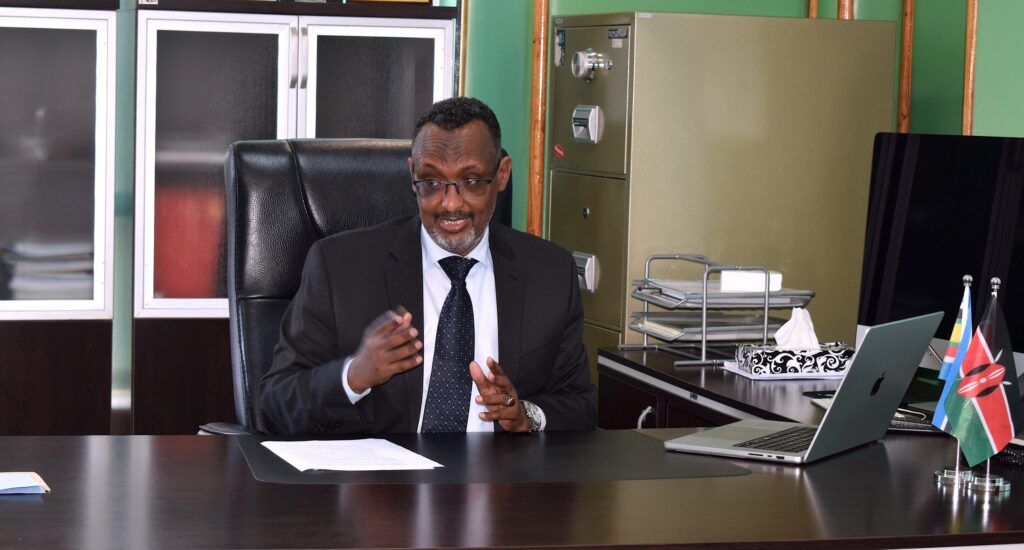
PPB Chief Executive Officer Dr Ahmed I. Mohamed said the Board is providing regulatory guidance to help the manufacturers meet the required standards while safeguarding public health.
“The entry of new manufacturers demonstrates growing confidence in Kenya’s pharmaceutical sector. Our responsibility is to provide a clear and predictable regulatory pathway that enables these investments to progress while ensuring that every locally manufactured product meets stringent standards of quality, safety and efficacy,” Dr Mohamed said.
PPB regulates the manufacture, importation, distribution and use of health products and technologies under the Pharmacy and Poisons Act, Cap. 244.
The Board’s support includes regulatory clinics, technical advisory meetings, capacity-building programmes and Good Manufacturing Practice inspections. These inspections are conducted routinely and based on the risks associated with individual facilities and products.
Manufacturers have received training on pharmaceutical quality systems, dossier preparation, validation, qualification, data integrity and other regulatory requirements. PPB also conducts follow-up inspections and monitors the implementation of corrective and preventive measures.
The expansion aligns with the Government’s objective of manufacturing at least 50 per cent of essential health products locally. Kenya currently imports an estimated 70 to 80 per cent of its health products and technologies, exposing the country to international supply disruptions and changes in the cost of imported products and raw materials.
Although Kenya has established capacity to manufacture finished pharmaceutical products, local production of active pharmaceutical ingredients and excipients remains limited. These inputs are essential to medicine production but are largely imported.
“Our ambition must extend beyond packaging and producing finished medicines. Kenya needs to progressively develop the capacity to manufacture pharmaceutical ingredients and other critical inputs locally, reducing dependence on imports and strengthening the resilience of our supply chains,” Dr Mohamed said.
The regulatory support programme seeks to increase the utilisation of existing manufacturing capacity by 70 per cent and develop the technical capability required to produce selected high-volume pharmaceutical ingredients and excipients locally.
PPB is also working with stakeholders to address gaps affecting the sector, including limited access to local bioequivalence testing and challenges associated with attaining World Health Organization prequalification.
The Board is supporting the establishment of clearer frameworks for local bioequivalence study centres and clinical research organisations while guiding manufacturers seeking Good Manufacturing Practice certification and WHO prequalification.
“Kenyan manufacturers must be equipped to compete beyond the domestic market. Attaining internationally recognised standards will strengthen confidence in locally produced health products and open access to regional and global procurement opportunities,” Dr Mohamed said.
PPB is pursuing World Health Organization Global Benchmarking Tool Maturity Level 3 status for medicines and vaccines. The designation would confirm that Kenya has a stable, integrated and well-functioning regulatory system and strengthen confidence in products regulated and manufactured in the country.
The growing manufacturing base supports the Buy Kenya, Build Kenya initiative, Universal Health Coverage and Kenya’s health-security and industrialisation priorities. It is expected to improve access to essential health products and reduce dependence on international supply chains.
Ends
